
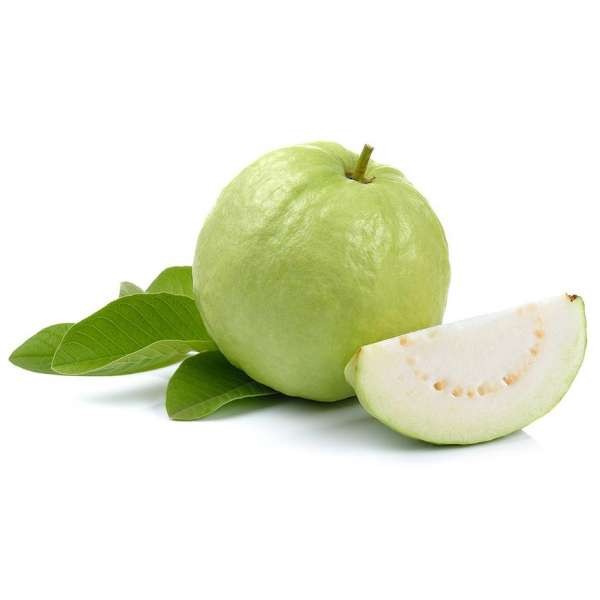

 1. Description
- Common Name: Kilo Pera
- Type: A high-yielding variety of guava (Psidium guajava)
- Specialty: Known for its large-sized fruits (some weighing up to 1 kg!)
- Fruit Features: Green outer skin, white or pink fleshy inside depending on the variety, soft, sweet, and fragrant
- Taste: Sweet with mild acidity, very juicy and rich in Vitamin C
- Use: Eaten raw, used in juices, jams, and desserts
 2. How to Plant Kilo Pera
 From Layered Sapling (Recommended):
- Buy a healthy grafted sapling from a trusted nursery.
- Choose a sunny spot (minimum 6 hours sunlight daily).
- Dig a pit 2 ft wide and 2 ft deep.
- Mix garden soil with compost, cow dung, and bone meal or neem cake.
- Plant the sapling and water thoroughly.
- Add a mulch layer around the plant base to retain moisture.
 3. Plant Size
- Height: Can grow up to 3 to 4 meters (10–13 feet)
- In pots: Grows smaller with pruning, ideal for large containers
- Canopy: Wide and spreading with strong branches
 4. Fruiting Time
- Layered plants: Start fruiting in 1.5 to 2 years
- Seed-grown plants: Take 3–4 years to start fruiting
- Main Seasons: Twice a year – Rainy season and Winter season (varies by region)
 5. Plant Type
- Type: Tropical fruit tree, evergreen
- Lifespan: Long-living (can produce fruits for 20+ years)
- Suitable for: Ground planting or large pots in warm climates
 6. Caring Tips
 Sunlight
- Needs full sunlight for at least 6–8 hours daily
- More sunlight = better flowering and fruit size
 Watering
- Water deeply twice a week (more during hot weather)
- Allow topsoil to dry slightly between waterings
- Avoid overwatering, as it can cause root rot
- Reduce watering in winter months
Soil
- Prefers well-drained, fertile, and slightly acidic to neutral soil
- Ideal mix: garden soil + compost + river sand or cocopeat
- Ensure soil is loose and aerated
Fertilizer
- Add organic compost or cow dung every month
- Use a balanced NPK (10-10-10) fertilizer during the growing season
- Apply potassium-rich fertilizer during flowering to prevent fruit drop
- Bone meal or neem cake can be added twice a year for root health
 Pruning
- Prune after harvest to maintain shape and airflow
- Remove dead, diseased, or inward-growing branches
- Light pruning helps encourage more branches and better yield
 Pest Control
- Watch out for fruit flies, mealybugs, and aphids
- Use neem oil spray every 2 weeks as prevention
- Set up fruit fly traps during fruiting season
- Keep area clean of fallen fruits to avoid pest buildup