

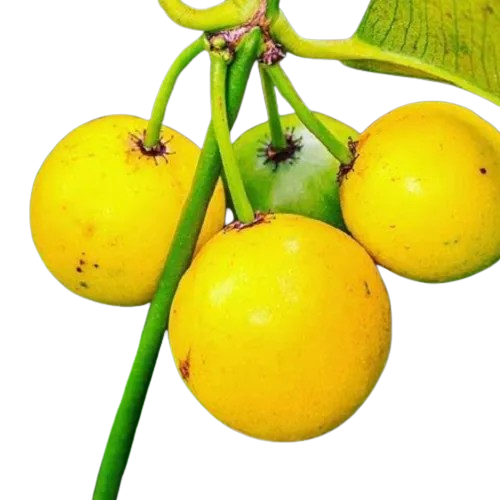
✅ 1. Description
Common Name: Baraba / Bael / Wood Apple
Scientific Name: Aegle marmelos
Family: Rutaceae
Overview:
Baraba (Bael) is a sacred medicinal fruit tree native to India. It’s known for its hard-shelled fruit, sweet-sour pulp, and immense health benefits in Ayurveda. The leaves are used in worship (especially for Lord Shiva), and the tree is drought-resistant.
Fruit Description:
- Round or oval with a hard shell
- Pulp is aromatic, sweet, slightly astringent
- Rich in vitamins, fiber, and antioxidants
- Used in sherbet, jams, and Ayurvedic medicine
🌱 2. How to Plant
- Propagation: By seeds or grafted saplings (grafted preferred for early fruiting)
- Soil: Grows well in any well-drained soil; tolerates poor, sandy, or rocky soil
- Planting Season: June–August (monsoon) or February–March
- Spacing: 6–8 meters apart (as it grows large)
Planting Steps:
- Dig a 2x2x2 ft pit
- Mix compost with topsoil and fill halfway
- Plant the sapling and firm the soil around
- Water thoroughly and mulch with dry grass/leaves
📏 3. Plant Size
- Height: 6–12 meters when mature
- Canopy Spread: Wide, bushy crown
- Growth Habit: Upright and spreading
- Growth Rate: Moderate
⏳ 4. Fruiting Time
- First Fruiting: 4 to 5 years from seed, 2–3 years for grafted
- Flowering Season: March–May
- Fruiting Season: October–March
- Harvest Time: Fruit is ready when it turns yellowish-green and detaches easily
🌳 5. Plant Type
- Type: Perennial deciduous tree
- Climate: Tropical to dry subtropical climate
- Lifespan: 30–60 years
- Other Features: Drought-tolerant, survives in extreme conditions
🌼 6. Caring Tips
☀️ Sunlight:
- Full sun (minimum 6–8 hours per day)
💧 Watering:
- Regular watering during the first year
- Once established, water weekly during dry months
- Avoid waterlogging
🌱 Soil Care:
- Add compost or cow dung once in 3–4 months
- Loosen soil around the base to aerate roots
🌿 Fertilizer:
- Apply NPK 10:10:10 or organic fertilizers yearly
- Use neem cake and bone meal for added nutrition
✂️ Pruning:
- Prune lower and crowded branches to shape
- Remove dead or pest-affected limbs after harvest
🐛 Pest & Disease Control:
- Resistant to most pests
- Occasionally affected by fruit flies or leaf spot
- Use neem oil spray or organic fungicides if needed