

 1. Description
Common Name: Ber Apple / Indian Jujube / Chinese Date
Local Name (Malayalam): ബെർ ആപ്പിൾ / ഇലന്തിപ്പഴം
Scientific Name: Ziziphus mauritiana
Family: Rhamnaceae
Overview:
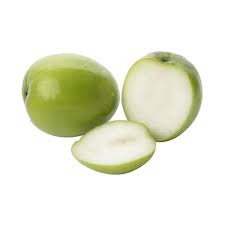
Ber is a hardy fruit tree known for its sweet and tangy small fruits, similar in taste to apples when ripe. It’s commonly grown in dry and arid regions and is a rich source of Vitamin C and minerals. It’s also called “poor man’s apple.”
Fruit Description:
- Small, round or oval
- Green when unripe, turns yellow or reddish-brown when ripe
- Tastes sweet and crisp like apple
- Eaten fresh, dried, or made into pickles, candy, and beverages
 2. How to Plant
- Propagation: By seeds, budding, or grafted saplings (grafted preferred for quality fruits)
- Soil: Grows well in sandy loam or slightly alkaline soils
- Planting Season: Monsoon (June–August) or early spring (Feb–March)
- Spacing: 5–6 meters apart (as tree grows medium to large)
Planting Steps:
- Dig a pit of 2 ft x 2 ft x 2 ft
- Fill with compost + garden soil
- Place the sapling, firm the soil, and water deeply
- Add mulch to retain moisture
 3. Plant Size
- Height: 4 to 12 meters (depends on variety)
- Canopy Spread: Moderate, with thorny branches
- Growth Rate: Fast-growing
- Trunk: Short, with drooping branches
 4. Fruiting Time
- First Fruiting: 2–3 years after planting (grafted trees)
- Flowering Time: July to September
- Fruiting Season: November to March
- Harvesting: Done in 2–3 rounds as fruits ripen in stages
 5. Plant Type
- Type: Deciduous, drought-tolerant fruit tree
- Lifespan: 25–50 years
- Climate Suitability: Hot, arid, semi-arid climates
- Best for: Home gardens, orchards, and farms in dry regions
 6. Caring Tips
 Sunlight:
- Needs full sun for best fruiting
 Watering:
- Water regularly during the first year
- After that, water only during dry spells
- Avoid overwatering, very drought-tolerant
Soil Care:
- Apply organic compost or cow dung twice a year
- Loosen soil around base to improve aeration
Fertilizers:
- Apply NPK (10:10:10) once during flowering
- Use potash for improving fruit size and sweetness
 Pruning:
- Prune in summer to control shape and remove dry, diseased branches
- Annual pruning helps maintain a good canopy and increases yield
 Pest & Disease Control:
- Common pests: Fruit fly, mealy bugs, leaf caterpillar
- Spray neem oil or use organic insecticide
- Netting can help protect ripening fruits