
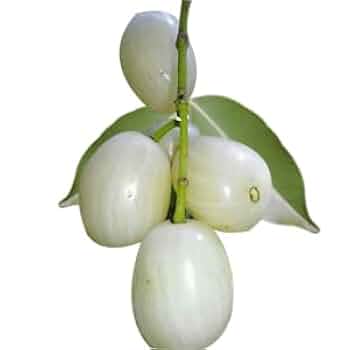

 1. Description
Common Names: Grafted White Njaval, White Jamun, White Java Plum
Scientific Name: Syzygium cumini (White variety)
Appearance of Fruit:
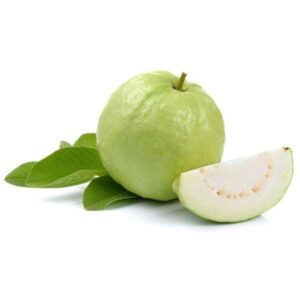
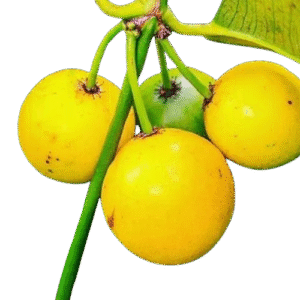
- Light greenish-white
- Similar shape to black njaval — oval and shiny
- Less astringent, slightly sweet taste
- Rare and considered exotic
Benefits:
- Rich in antioxidants
- Less staining than the black njaval
- Can be eaten raw or used in juices and jams
 2. How to Plant
- Propagation: Grafted saplings are preferred for faster fruiting
- Best Season to Plant: June to August (monsoon time)
- Planting Method:
- Dig a pit of 2x2x2 feet
- Mix garden soil with organic compost or cow dung
- Place the grafted sapling gently without disturbing the graft union
- Water lightly after planting
- Spacing: Plant at least 8–10 feet apart if planting more than one
 3. Plant Size
- Height: Grows up to 20–25 feet (can be pruned for smaller size)
- Growth Rate: Medium
- Canopy: Dense and provides shade
 4. Fruiting Time
- Fruiting Starts: Within 2–3 years (since it is grafted)
- Fruiting Season: May to July
 5. Plant Type
- Type: Evergreen fruit tree
- Climate Suitability: Thrives in tropical and subtropical climates
- Ideal for: Home gardens, farms, borders of compounds
 6. Caring Tips
 Sunlight
- Needs full sun — at least 6 hours of direct sunlight daily
 Watering
- Water regularly for the first year
- After establishment, water only during dry periods
- Avoid overwatering and waterlogging
Soil
- Well-drained loamy or sandy-loam soil
- pH between 6.0–7.5 is ideal
 Fertilizer
- Use compost or organic manure every 2–3 months
- Apply balanced NPK fertilizer in growing season
 Pruning
- Remove dead or overcrowded branches once a year
- Maintain shape and encourage good air flow
 Pest & Disease Control
- Watch for aphids and fruit flies
- Use neem oil spray or organic insecticide monthly