


 1. Description
Common Name: Seedless Chamba
Also Known As: Seedless Indian Chambakka
Specialty:
- Sweet, juicy fruits without seeds
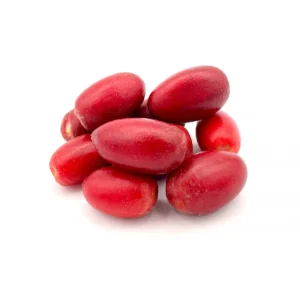
- Unique elongated bell shape
- Beautiful pinkish-red fruits
- Fruits multiple times a year
- Popular for home gardens due to low maintenance
 2. How to Plant
- Location: Sunny area with good air circulation
- Soil Type: Well-drained, loamy or red soil enriched with organic compost
- Planting Method:
- Dig a pit 2×2 feet
- Mix compost, garden soil, and sand
- Place the sapling upright and firm the soil
- Water well after planting
- Spacing: 8–10 feet apart (for multiple plants)
 3. Plant Size
- At Purchase: Around 1–2 feet tall sapling
- Full Growth: Can grow 8–12 feet tall
- Canopy Spread: Medium spread, umbrella-shaped
 4. Fruiting Time
- Fruiting Season: All seasons (3–4 harvests per year)
- First Fruiting: Within 1.5–2 years of planting (grafted variety)
- Fruit Color: Bright red to pink
- Fruit Taste: Crisp, sweet, and mildly tangy
- Seeds: Seedless or very soft tiny seed (edible)
 5. Plant Type
- Type: Semi-evergreen, tropical fruit tree
- Growth Style: Bushy tree or trained small tree
- Suitable for Pots: Yes (large grow bags or barrels)
- Ideal for: Home gardens, terrace gardens, landscaping
 6. Caring Tips
 Sunlight:
- Needs 6–8 hours of direct sunlight daily
- Shade will reduce flowering and fruiting
 Watering:
- Water every 2–3 days during hot season
- Ensure proper drainage to avoid water stagnation
- Reduce watering during rainy season
Soil & Fertilizer:
- Enrich soil with cow dung/compost every month
- Apply bone meal or fruit booster fertilizer every 60 days
- Use Epsom salt occasionally for greener leaves
 Pruning:
- Light pruning after fruiting helps increase yield
- Remove dried or diseased branches regularly
 Pests/Diseases:
- Generally pest-resistant
- Use neem oil spray monthly as a preventive
- Watch for ants or scale insects – treat early
 Perfect For:
- Backyard gardens
- Tropical climate regions
- Garden lovers wanting fruit all year round