

 1. Description
Common Name: Gumless Jackfruit
Other Names: Soft-fleshed Jackfruit, Low-latex Jack
Specialty:
- Grafted variety ensures early and true-to-type fruiting
- Produces sweet, soft, and gumless (non-sticky) flesh
- Easy to clean and handle – no sticky latex
- High yielding and long-lasting
- Suitable for both homesteads and small farms
 2. How to Plant
Method: Plant the grafted sapling in fertile, well-drained soil
Soil Type: Red or loamy soil enriched with compost and organic manure
Planting Steps:
- Dig a pit of 2.5×2.5 feet
- Mix red soil, organic compost, cow dung, and a handful of neem cake
- Plant the sapling carefully without damaging the graft union
- Fill the pit and press the soil gently
- Water immediately after planting
Spacing:
- 8–10 feet apart for small gardens
- 20–25 feet for full farm spacing
 3. Plant Size
- At Purchase: Usually 2–3 feet tall (grafted plant)
- Full Size: Can reach 15–25 feet in height over years (manageable by pruning)
- Canopy: Wide spreading, needs space to branch out
 4. Fruiting Time
- First Fruiting: 2.5 to 3 years after planting (faster than seed-grown)
- Fruiting Season: Mainly summer (March to June), occasional off-season fruiting possible
- Fruit Size: Medium to large (can weigh 8–20 kg)
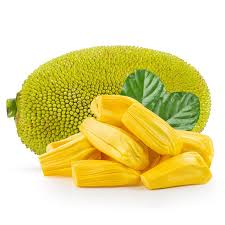
- Fruit Characteristics: Yellowish soft bulbs, very sweet, and gumless – easy to separate
 5. Plant Type
- Type: Perennial fruit tree
- Propagation: Grafted (not seed-grown) for uniformity and early yield
- Suitable for Pots: Not ideal for pots due to large size
- Ideal For: Home gardens, organic farms, border planting
 6. Caring Tips
 Sunlight:
- Needs full sunlight (6–8 hours daily)
- Avoid dense shade for better fruiting
 Watering:
- Water every 3–4 days during summer, reduce in rainy season
- Ensure proper drainage to avoid root rot
Fertilizer:
- Apply cow dung or compost every 2–3 months
- Add bone meal or ash annually to promote flowering
- Mulch around the base with leaves or husk to retain moisture
 Pruning:
- Prune after harvesting to maintain shape
- Remove crossing and dead branches
- Limit height for easy harvesting
 Pests/Diseases:
- Watch for mealybugs and fungal rot during monsoon
- Use neem oil spray or organic fungicide if needed