

150
🌱 Strawberry Guava – Plant Description
Botanical Name: Psidium cattleyanum
Common Names: Strawberry Guava, Cattley Guava, Cherry Guava
Origin: Native to Brazil
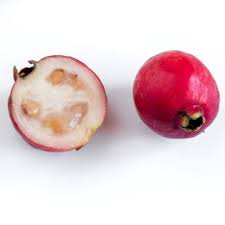
🍒 Fruit Description:
- Small, round fruits (2.5–4 cm in diameter)
- Bright red or purple skin with soft, sweet, aromatic pulp
- Tastes like a mix of strawberry and guava
- Edible seeds
🏡 How to Plant:
- Soil: Well-draining, slightly acidic to neutral soil (pH 5.5–7.0)
- Sunlight: Full sun to partial shade (at least 4–6 hours of sunlight)
- Spacing: Space plants 6 to 10 feet apart
- Planting Method:
- Dig a hole twice as wide and as deep as the root ball.
- Place the plant with the root crown at soil level.
- Fill back with soil and water thoroughly.
- Mulch around the base to retain moisture.
📏 Plant Size:
- Height: 6 to 15 feet when mature (can be pruned to desired height)
- Spread: 4 to 10 feet wide
- Growth Rate: Moderate
⏳ Fruiting Time:
- First Fruiting: 2–3 years after planting from layered or grafted plant
- Main Fruiting Season: Late summer to early winter (varies by region)
- Frequency: Can fruit twice a year in tropical climates
🌿 Plant Type:
- Type: Evergreen shrub or small tree
- Growth Habit: Bushy, dense foliage
- Pollination: Self-pollinating (better yield with cross-pollination)
🌼 Caring Tips:
- Watering: Moderate; water when topsoil dries out. Avoid overwatering.
- Fertilization: Use a balanced organic fertilizer 2–3 times a year.
- Pruning: Light pruning after fruiting to maintain shape and remove dead wood.
- Pests/Diseases: Relatively pest-resistant; watch for fruit flies, aphids.
- Climate Suitability: Grows well in tropical and subtropical climates; withstands light frost
✅ Extra Tips:
- Can be grown in large containers for balconies or terraces.
- Very attractive to birds and pollinators.
- Great for hedges or ornamental edible gardens.