

150
📝 Description:
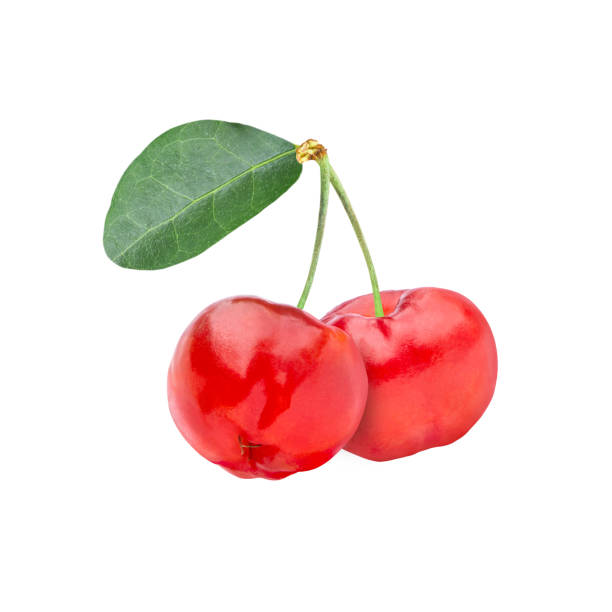
West Indian Cherry, also known as Acerola Cherry or Barbados Cherry, is a small tropical fruit tree native to the Caribbean and Central America. The plant is popular for its bright red fruits, rich in Vitamin C, and tangy-sweet flavor. When propagated through layering, it grows faster and bears fruit earlier than seed-grown trees.
🌱 How to Plant:
- Location: Choose a sunny spot with well-drained soil. Avoid water-logged areas.
- Soil Type: Slightly acidic to neutral pH (6.0–7.0), fertile, and well-draining.
- Planting Method:
- Dig a hole twice the size of the root ball.
- Mix compost or organic manure into the soil.
- Place the plant and fill the hole gently.
- Water thoroughly after planting.
- Spacing: Keep at least 6–8 feet distance between plants.
📏 Plant Size (when purchased):
- Height: Usually around 1 to 1.5 feet tall at the time of delivery.
- Grows up to 6 to 10 feet as a small tree or large shrub when mature.
🍒 Fruiting Time:
- Starts fruiting in 1 to 2 years when propagated through layering.
- Main fruiting season: Varies, but typically multiple times a year in tropical climates.
- Can bear fruits all year round in suitable warm weather with good care.
🌿 Plant Type:
- Perennial and evergreen small tree/shrub.
- Layered plant, which ensures early fruiting and identical fruit quality to the mother plant.
🛠️ Caring Tips:
- Watering: Regular watering, especially during dry spells. Avoid waterlogging.
- Fertilizing: Use organic compost or balanced NPK fertilizer (10-10-10) every 2-3 months.
- Pruning: Light pruning helps maintain shape and encourages branching.
- Sunlight: Needs full sun (at least 6–8 hours/day).
- Mulching: Helps retain moisture and suppress weeds.
- Pest/Disease: Generally pest-resistant, but watch out for aphids or mealy bugs.
✅ Benefits:
- Extremely high in Vitamin C (more than oranges!).
- Good for immune health, skin, and digestion.
- Can be consumed fresh, juiced, or used in jams and syrups.