

150
🌳 Description
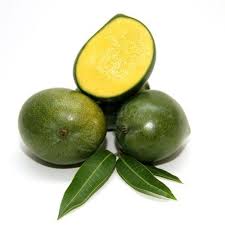
Kalapadi Mango is a unique South Indian mango variety known for its delightful aroma, early fruiting, and consistent bearing. It is a grafted hybrid mango tree suitable for home gardens and small farms.
📌 Key Features
- Scientific Name: Mangifera indica
- Common Name: Kalapadi Mango
- Type: Grafted Hybrid Mango
- Origin: Tamil Nadu, India
- Specialty: Early bearing, aromatic fruit, dwarf-medium growth
🌱 How to Plant Kalapadi Grafted Mango
- Location: Choose a sunny, well-ventilated area.
- Soil: Well-drained loamy soil; pH 6.5–7.5 preferred.
- Spacing: Minimum 10–12 feet between plants.
- Planting Time: Best during June–August (monsoon) or February–March.
- Method:
- Dig a pit (2x2x2 feet).
- Fill with compost + red soil + sand mixture.
- Place the grafted sapling upright and cover roots with soil.
- Water immediately after planting.
📏 Plant Size
- Initial Sapling Height: 1.5 to 2.5 feet
- Mature Tree Height: 8 to 12 feet (compact and bushy)
- Growth Nature: Semi-dwarf, ideal for pot or land growing
🍋 Fruiting Time
- First Yield: As early as 2–3 years after planting
- Season: April to June
- Fruiting Habit: Regular bearing, even in alternate years
- Fruit Size: Medium
- Flavor: Highly aromatic, sweet, fiberless
🌿 Plant Type
- Type: Perennial, tropical fruit tree
- Pollination: Self-pollinated, but cross-pollination can improve yield
- Ideal For: Terrace garden, backyard, containers, organic farming
🌞 Caring Instructions
- Watering:
- Regular watering in summer.
- Reduce watering during monsoon.
- Avoid water stagnation.
- Fertilizing:
- Apply organic compost every 3 months.
- Use NPK 6:6:6 or mango-specific fertilizer during fruiting season.
- Apply neem cake or cow dung manure annually.
- Pruning:
- Light pruning after harvest to shape the plant.
- Remove dry or diseased branches.
- Pest Management:
- Use neem oil spray monthly.
- Monitor for mango hopper and mealybugs.
- Mulching:
- Use dry leaves or coconut husk around the base to retain moisture.
✅ Benefits of Kalapadi Grafted Mango
- Early fruiting compared to other varieties.
- Aromatic and fiberless pulp.
- Can be grown in pots or small areas.
- Requires less maintenance.
- Resistant to common mango diseases.